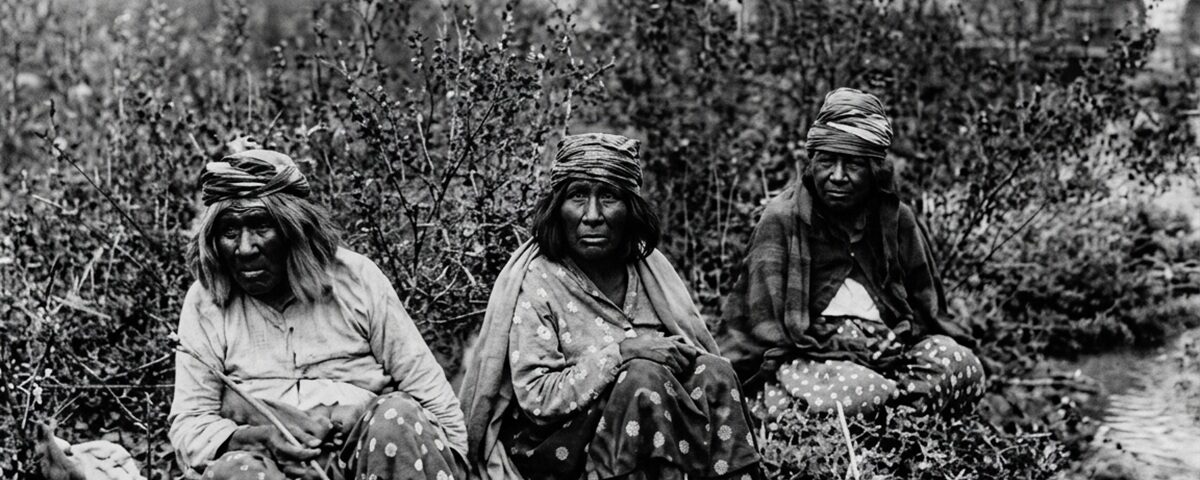
The Luiseño people
In the late 1830s, a teenager sat down to write the story of his people in a study in Rome, thousands of miles from the land where he was born. His name was Pablo Tac. He was born in 1822 at Mission San Luis Rey de Francia, and traveled to Europe as a ten-year-old boy with Father Antonio Peyri, the Franciscan priest who led the mission for more than 30 years. In Rome, Tac studied for missionary life and wrote a short document with some notes on his native language and a manuscript in Spanish titled “Conversión de los San Luiseños de la Alta California.” He died in 1841 at about nineteen, before he could be ordained.
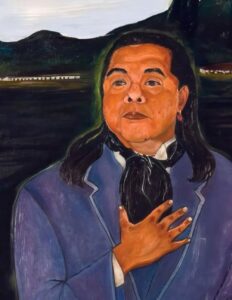
What he left behind is a very rare firsthand account of Native California written by a Native Californian who lived it. For anyone who wants to understand the people of this land, and Mission San Luis Rey, Tac is one of the best references we have.
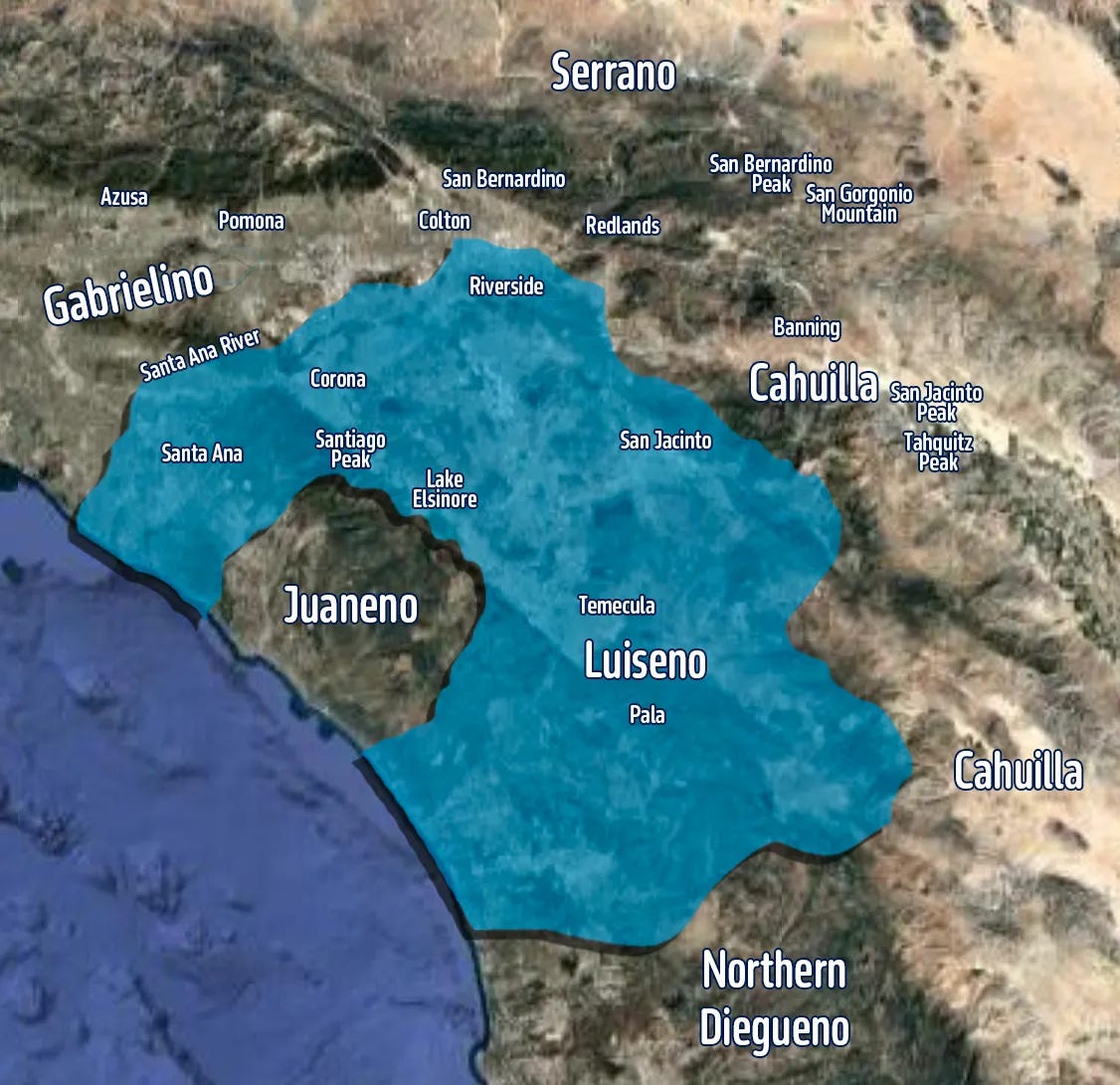
Tac wrote of his people as the Quechnajuichom, or the people of Quechla, the land around the mission. The Spanish called them “Luiseños”
after the mission, but many Luiseño people today also call themselves Payómkawichum, often translated as “people of the west.”
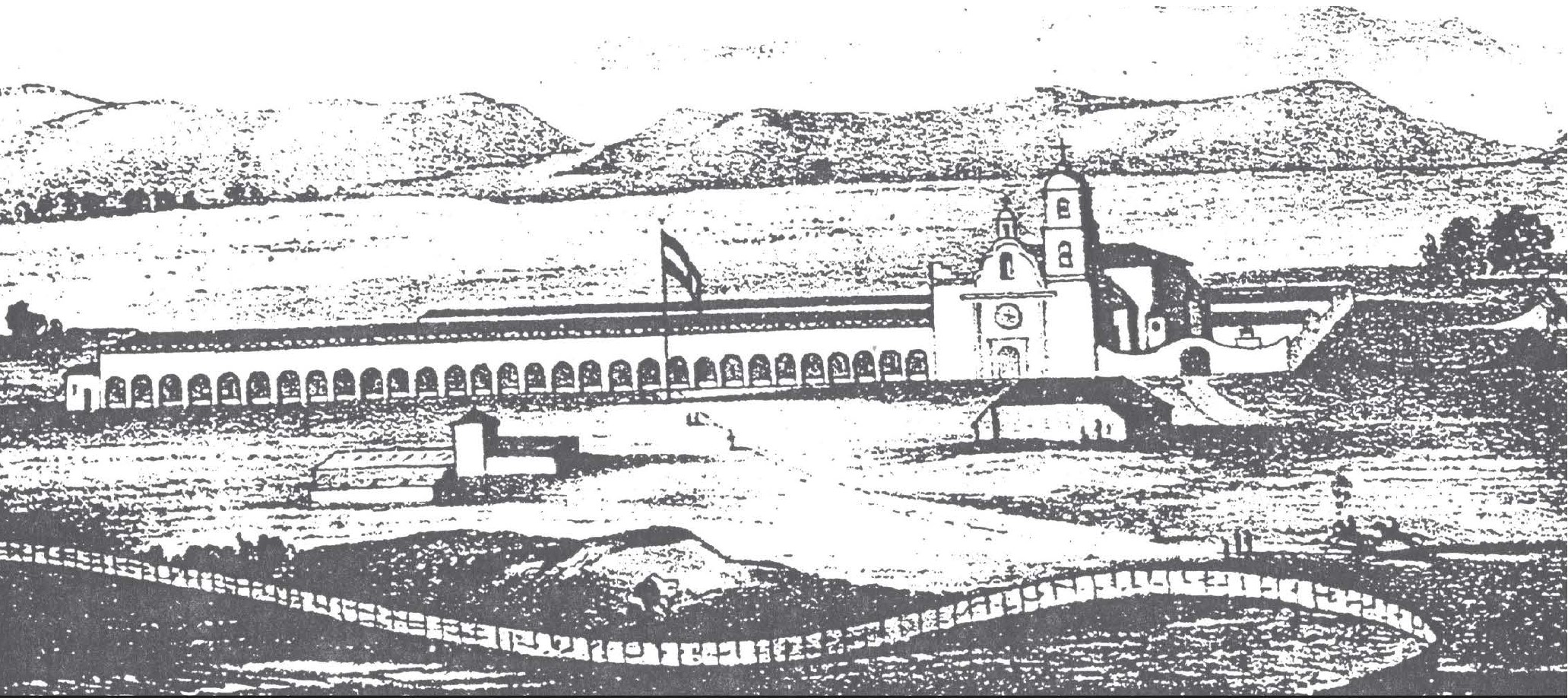
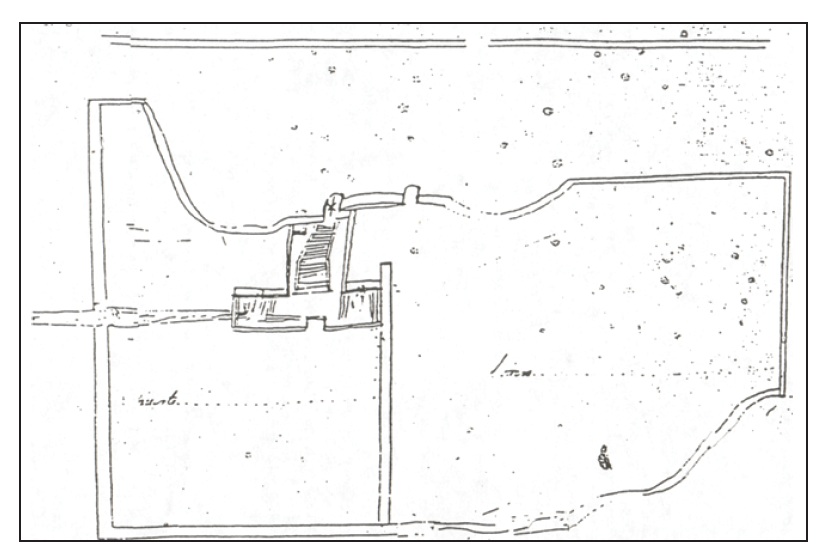
Early Drawing by Pablo Tac of the Sunken Gardens
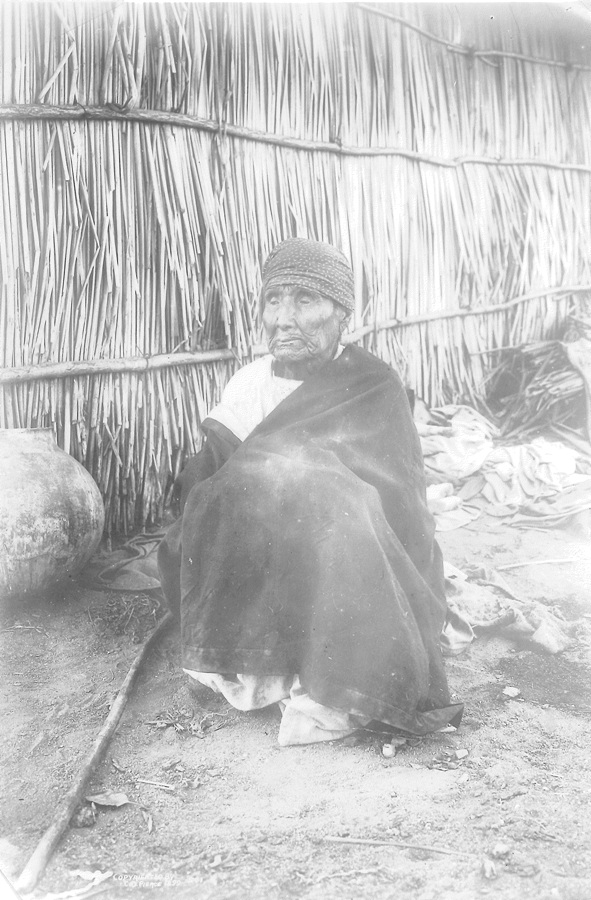
shellfish and fish near the sea, small game and deer in the hills, and in the fall, the acorn harvest in the mountains.
Acorns were a staple in their diet. Women gathered, dried, removed shells, and rinsed acorns to remove the bitter taste. Then, they cooked the meal into a porridge called wiiwish and bread. Other elements in their diet included seeds, greens, cactus fruit, and yucca.
They built their homes, or kiicha, with natural grasses like tule and they shaped them as a dome. They were skilled basket makers, producing coiled work for gathering, storing, cooking, and carrying, and they built tule boats to venture into the ocean and lagoons for fishing.
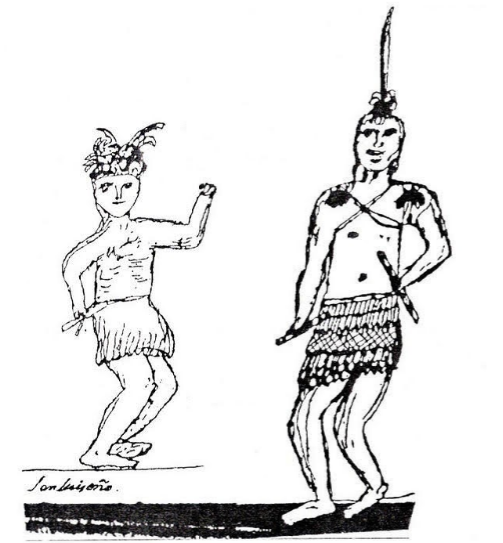
Among their religious traditions, they had rites of passage for young people, mourning ceremonies for the dead, and spiritual traditions that gave meaning to the landscape itself, like a winter solstice ceremony in Palomar Mountain, one of their sacred sites. Tac’s manuscript mostly covers the mission years, so for this earlier period historians rely on the later work of linguists, anthropologists, and Luiseño elders.
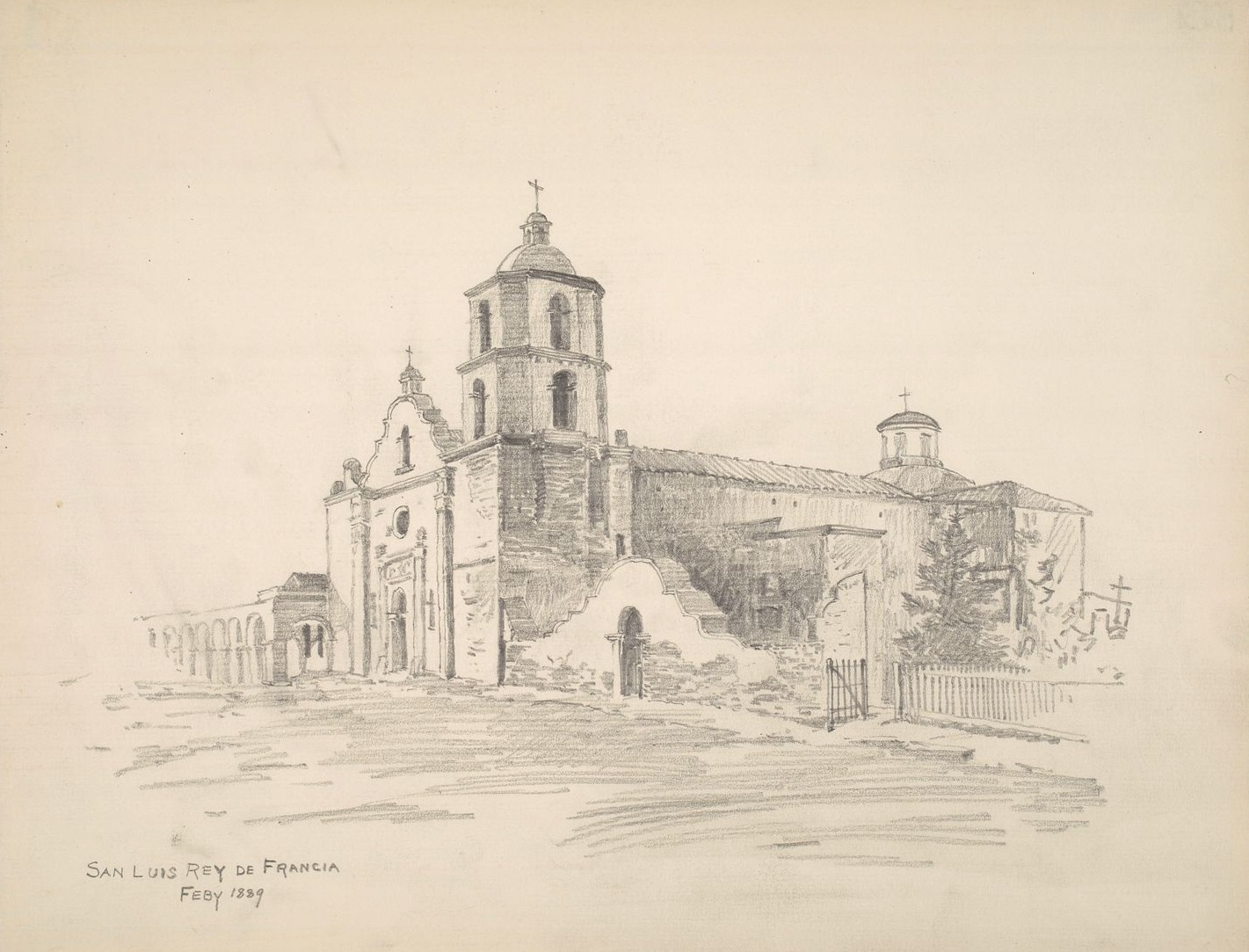
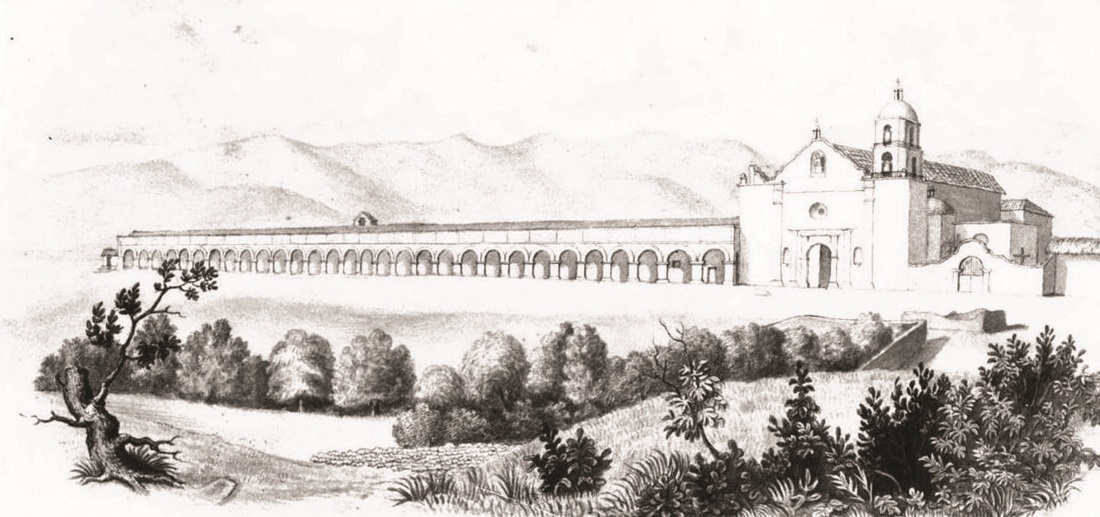
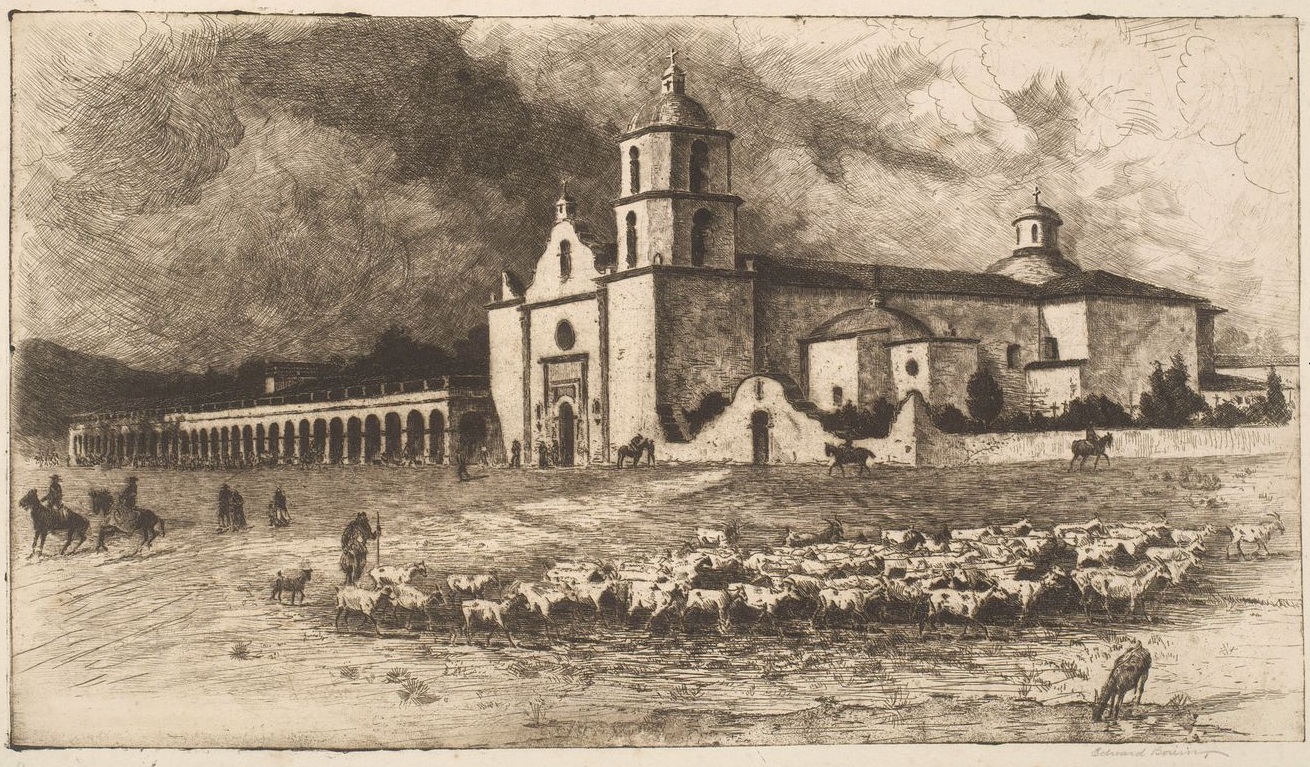
Tac doesn’t mention this much, but thanks to other reports, we know that the contrast in life for the Luiseño before and after the mission was profound. People now lived within a structured mission system, with set routines of labor and prayer. People mostly worked for the mission for room and board only, and in conditions that can be described as very strict. Even at Mission San Luis Rey, where things were less severe when compared to other missions, traditional ceremonies and leadership were discouraged, people received corporal punishment for not following rules, and the seasonal movements that had defined Luiseño life were interrupted.
After Mexico secularized the missions in the 1830s, the mission lands were taken from the Church by Mexican ranchers, who used Luiseño labor under very similar conditions as in the mission era. The following decades brought land loss, dispossession, and displacement. A few years after the Mexican-American War, in 1852, Luiseño leaders negotiated the Treaty of Temecula, which promised reserved lands, but the U.S. Senate never ratified it. Reservations were eventually established by presidential actions in the 1870s and 1880s, often on much smaller and poorer land. The Pechanga people, for example, were forced out of their homes at Temecula into their current territories.
The mission itself was returned to the Church in 1865 and was restored by the Franciscans beginning in 1892. Today it stands as a place of worship and history, and the Native history is part of the story it tells.
The Luiseño today are living, working, and leading communities across San Diego, Riverside, and Orange counties. Several bands are federally recognized, including the La Jolla, Pala, Pauma, Pechanga, Rincon, and Soboba communities, each with its own government, history, and cultural programs. The local San Luis Rey Band of Mission Indians is still fighting for federal recognition.
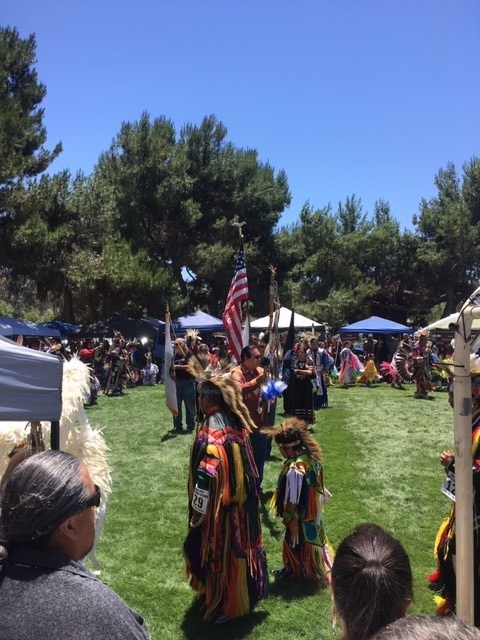
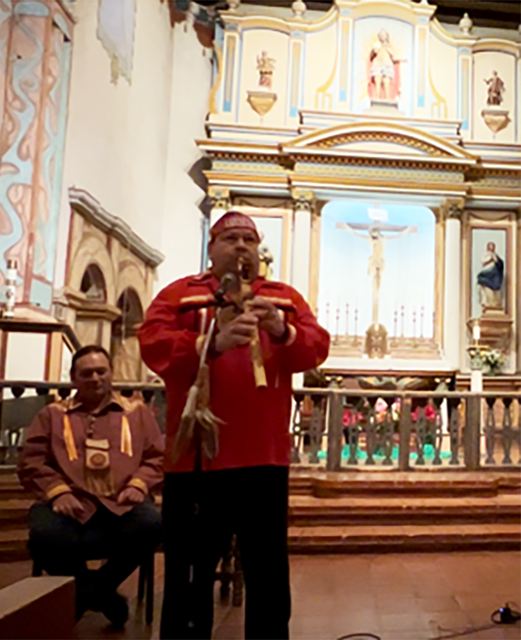
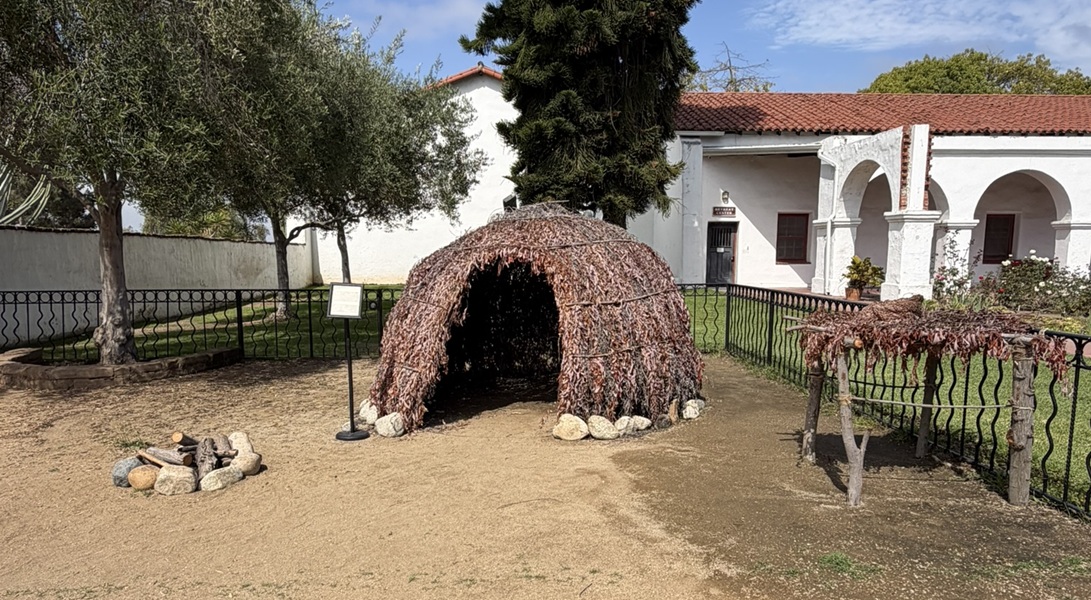
Pablo Tac wrote so that his people would be remembered. Nearly two centuries later, the Payómkawichum are still here, and they remain an integral part of our Mission’s community.
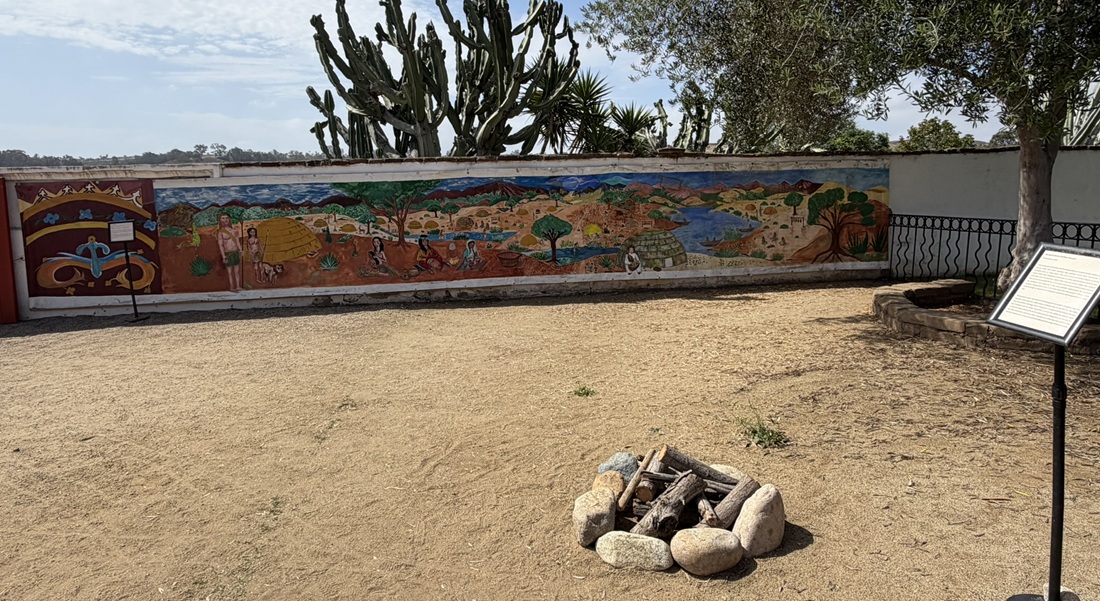
Learn More
- Pablo Tac, Indian Life and Customs at Mission San Luis Rey, translated by Minna and Gordon Hewes (Old Mission San Luis Rey, 1958).
- The websites and cultural departments of the Luiseño bands named above.
- Mission San Luis Rey Museum, which offers exhibits and programs on the mission’s Native history.