
Spiritual vs. Wellness Retreats: What’s the Difference and Which One Do You Need?
Retreats offer something many people quietly long for: a pause. A step away from daily demands, noise and routine. But the kind of retreat you choose matters, especially if you’re seeking something deeper than rest alone.
Today, the word “retreat” can mean many things. Some focus on physical health and relaxation, while others create space for spiritual reflection and prayer. While both have value, spiritual retreats and wellness retreats are built on very different foundations.
In this article, we’ll explore what sets these two paths apart, their purpose, rhythm and the kind of renewal they offer. We’ll also introduce a retreat center in California where spiritual clarity, Franciscan values and hospitality guide every guest experience. Mission San Luis Rey Retreat Center is a place where sacred tradition and natural beauty invite reflection and rest.
Table Of Contents:
What Is Spiritual Retreat?
A spiritual retreat is a step away from everyday life, made with the intention of turning inward and reconnecting with something deeper. It’s not about productivity or entertainment. It’s about space to reflect, pray, listen and return to what matters most.
These retreats are often rooted in religious or faith-based tradition.
In Christian and Catholic settings, they may include time for silence, Scripture reading, personal prayer or spiritual direction.
Others may be centered around meditation, nature or meaningful solitude. What unites them is the desire to find clarity and renewal through stillness.
Spiritual retreats are not limited to any one belief system. Many are open to people of all backgrounds. Some guests come with faith, others with questions. What matters is the openness to reflection, and the respect for the quiet purpose of the retreat: to reconnect with what feels meaningful, whether through faith, prayer, or silence.
These retreats can last a day, a weekend or longer. Some are guided, while others are personal and unstructured. The pace is slower, the distractions fewer.
What Is Wellness Retreat?
A wellness retreat is focused on physical, emotional or mental well-being. These retreats are often centered around self-care and rest, offering programs that may include yoga, fitness, healthy meals, mindfulness or guided workshops. The goal is usually to recharge, reduce stress and create healthier habits.
Some wellness retreats are held in quiet natural settings. Others are hosted at resorts with spa services and structured schedules. The environment is designed to help guests relax, reset and return to daily life with more energy or focus.
While some wellness retreats include meditation or breathing practices, they are usually not tied to a specific faith tradition. The tone is often holistic rather than spiritual. That means the emphasis is more on personal growth and lifestyle than prayer or inner reflection.
For many people, wellness retreats offer a helpful break, a chance to step back and care for the body and mind. But they are built around a different purpose than spiritual retreats and that distinction matters when choosing the right experience.
Key Differences: Spiritual vs. Wellness Retreats
Spiritual and wellness retreats may both take place in peaceful settings, but what they offer and what they ask of the guest are very different. One focuses on inner stillness and spiritual reflection. The other is shaped around physical health and emotional well-being.
The table below offers a simple side-by-side comparison:
| Aspect | Spiritual Retreat | Wellness Retreat |
|---|---|---|
| Primary focus | Prayer, silence, spiritual reflection | Physical health, emotional reset, self-care |
| Guidance | Spiritual director, clergy or silent structure | Coaches, instructors, wellness professionals |
| Activities | Meditation, Scripture, personal reflection, spiritual talks | Yoga, massage, nutrition, mindfulness, group workshops |
| Tone | Sacred, reflective, faith-centered or open to the spiritual | Secular or holistic, focused on lifestyle or stress relief |
| Setting | Often in churches, monasteries or retreat centers | Often in resorts, nature lodges or wellness centers |
| End goal | Inner clarity, peace, spiritual renewal | Energy, relaxation, improved health or motivation |
These differences are not about better or worse. They reflect different intentions. One is built to help you reconnect with your inner life. The other is shaped to help you rest, recover or recharge.
Which Retreat Is Right for You?
Choosing the right retreat starts with understanding what you’re looking for: rest, healing, clarity or something deeper. Each type of retreat serves a different purpose and knowing your intention can help guide the decision.
You might start by asking a few simple questions:
- Do you feel the need for silence, prayer or a renewed sense of faith?
- Are you looking to slow down and reflect on your life in a deeper way?
- Or do you need a break from stress and a reset for your physical and emotional health?
If your longing is spiritual, if you're seeking clarity, peace or connection to something beyond the surface of daily life, then a spiritual retreat may offer what you need. These retreats don’t try to fix or entertain. They create space for stillness, rest and spiritual grounding.
If you're looking for relaxation, improved sleep, movement or a more energized body, a wellness retreat might be a helpful step. These experiences are often guided by professionals in fitness, nutrition or coaching and are centered on lifestyle changes.
Both types of retreat can be meaningful. What matters is choosing a space that matches your needs not just in name, but in rhythm, setting and depth.
Why the Right Setting Matters
A retreat is more than a change of location. The setting itself shapes the experience. It influences how easily you can slow down, how safe you feel to reflect and how much space you have to step away from distraction.
Some environments are designed for rest, but not for reflection.
A resort may offer comfort and quiet, but it might not carry the sense of reverence or purpose that a spiritual retreat invites. In contrast, centers built on tradition, with places for prayer, quiet gardens and thoughtful hospitality, often create the right conditions for spiritual rest.
If you're seeking something deeper than relaxation, the setting matters. The atmosphere, the pace and the history of a place all work together to create space for meaning.
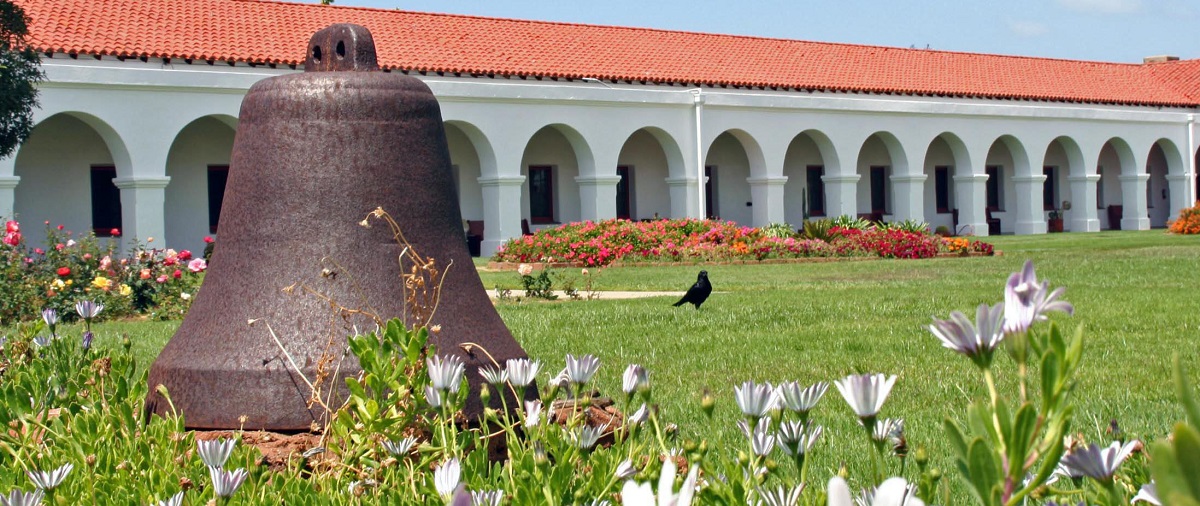
Mission San Luis Rey – A Spiritual Retreat Center in California
In Oceanside, California, Mission San Luis Rey offers a place for spiritual rest shaped by centuries of prayer and Franciscan tradition. Founded in 1798, the Mission has long welcomed guests in search of peace, clarity and quiet reflection.
The retreat center is set within the grounds of the historic Mission, surrounded by gardens, stone paths and sacred architecture. Here, guests are not rushed or entertained. They are welcomed with hospitality rooted in faith and respect. The environment is beautiful and built to support the kind of reflection that takes time.
Mission San Luis Rey welcomes individuals and groups of all faiths. Retreats may be silent, self-guided or structured around group reflection and spiritual direction. Guest rooms are peaceful, and meals are served with care.
What sets this retreat center apart is not just its setting, but the way people are received. The staff carry forward a Franciscan sense of welcome and humility. Guests are invited to rest in body and spirit, without pressure or performance.
To learn more, visit the Retreat Center page or contact the staff to ask about available dates and options.
Spiritual vs. Wellness Retreats: Clarity Begins with Intention
Retreats can be powerful, but their impact depends on what you're seeking and where you choose to go. Wellness retreats may offer rest for the body and relief from stress. Spiritual retreats offer something different, time to turn inward, to listen and to reconnect with what gives life meaning.
Choosing a spiritual retreat is not about having the right answers. It’s about making space to ask better questions. It’s about slowing down enough to hear what your heart has been asking for.
If that kind of space feels right, Old Mission Retreat Center offers it with care, tradition and Franciscan hospitality. It is not just a place to stay. It is a place to return to what matters.