The People of Mission San Luis Rey: A Living Community
Mission San Luis Rey is often recognized for its architecture, history and role within the Catholic Church in California. At the center of the Mission’s story, however, are people. From its earliest days to the present, the Mission exists through those who lived, worked, prayed, and gathered on this land.
This article introduces the people of Mission San Luis Rey as a living community. It provides context for understanding the Mission through human presence rather than buildings alone and explains why acknowledging both continuity and change is essential to an accurate understanding of the site today. Later articles in this series will explore specific communities in greater depth, including the Franciscan friars and the Luiseño people.
Mission San Luis Rey as a Place of People
Mission San Luis Rey has never existed apart from the people connected to it. Its history and present identity are defined by human relationships, daily practices and shared responsibility for the land and the Mission’s purpose.
Over time, different communities have shaped life at the Mission in distinct ways. Religious leadership, local populations and those who continue to gather here today have all contributed to how the Mission functions as a place of worship, reflection and memory. These layers of human presence are essential to understanding the Mission beyond its physical structures.
Recognizing the Mission as a place defined by people allows its history to be approached with greater accuracy. It also creates space to acknowledge continuity alongside change and to understand the Mission as a site where faith, culture and responsibility intersect across generations.
The Franciscan Presence at Mission San Luis Rey
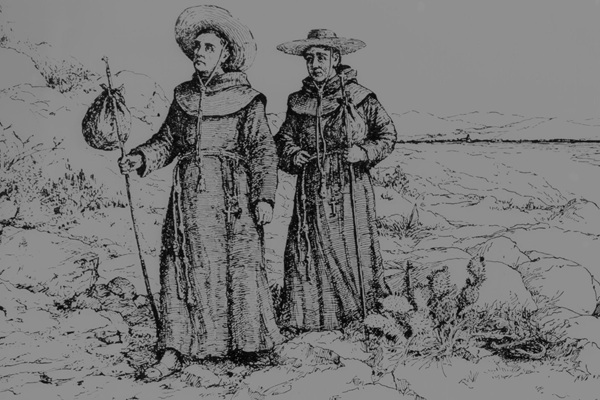
The Franciscan friars have played a continuous role at Mission San Luis Rey since its establishment and remain part of the Mission community today. Their presence reflects a commitment to religious life centered on prayer, service and pastoral care, not possession of the place itself.
At Mission San Luis Rey, the friars are responsible for the spiritual life of the Mission. This includes celebrating the sacraments, providing pastoral support and maintaining a rhythm of daily prayer that continues to shape the Mission as an active place of worship. Their work is directed toward serving those who gather at the Mission, including parishioners, visitors and individuals seeking guidance or reflection.
Over time, the role of the Franciscans has adapted to changing circumstances while remaining grounded in their religious vocation. Today, their presence is defined by ongoing responsibility for ministry, stewardship and hospitality. Through these practices, the friars contribute to the Mission’s identity as a living religious community, not only a historic site.
The Luiseño People and This Land
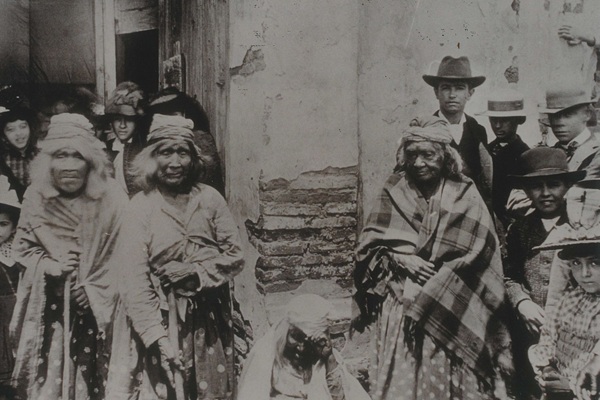
The land on which Mission San Luis Rey stands has been home to the Luiseño people long before the Mission was established. Luiseño communities lived in this region for generations, developing social, cultural and spiritual traditions connected to the land and its resources. Their presence did not begin with the Mission period, and it continues today.
The establishment of Mission San Luis Rey in the late eighteenth century marked a significant change for the Luiseño people and for the land itself. The Mission system altered patterns of daily life, land use and cultural practices, and these changes had lasting effects. This period of history includes hardship and loss for the Luiseño people, whose lives were profoundly affected during the Mission era.
Acknowledging this history is part of understanding Mission San Luis Rey as a place informed by human experience over time. The Luiseño people are not only part of the Mission’s past; they remain a living community with ongoing connections to this region.
A Shared History That Includes Hardship
The history of Mission San Luis Rey includes continuity in faith and religious life, as well as hardship and loss. For the Luiseño people in particular, the Mission period brought significant changes that altered daily life, land use and cultural practices in lasting ways.
Recognizing this history is necessary for an accurate understanding of the Mission. It allows the past to be acknowledged without simplification and without overlooking the experiences of those most affected by the Mission system. This acknowledgment does not attempt to explain or resolve that history, it affirms that hardship is part of the Mission’s historical record.
Addressing this reality provides a more complete foundation for understanding Mission San Luis Rey as it exists today.
Why Acknowledging People Matters Today
Acknowledging the people connected to Mission San Luis Rey is part of presenting the Mission accurately and responsibly. History does not exist only in records or buildings; it continues to influence how places are understood and how communities relate to them. Recognizing human presence, past and present, supports a more complete view of the Mission and its role in the region.
For the Mission today, this acknowledgment reflects a commitment to education and respect. It affirms that understanding the Mission involves naming what is known, listening carefully to history, and avoiding oversimplification. This approach allows the Mission to be understood as a place grounded in real lives and experiences rather than as an abstract symbol.
Addressing people directly also provides context for how the Mission functions now - as an active religious site, a place of memory and a setting where responsibility for the past informs how the present is approached.
Looking Ahead
This article serves as an introduction to the people of Mission San Luis Rey and the importance of recognizing their presence in understanding the Mission today. Future articles in this series will explore specific communities in greater detail.
One article will focus on the Franciscan friars and their ongoing role in the life of the Mission. Another will address the Luiseño people and their history and continued presence in the region with appropriate care and attention. Together, these articles aim to provide clearer context for Mission San Luis Rey as a place understood through people, history and ongoing responsibility.
Additional Historical Context
For readers interested in learning more about the history of Mission San Luis Rey and the people connected to it, the Mission Museum provides additional historical context. Through archival materials and interpretive exhibits, the museum offers a broader view of the Mission’s past and its place within the history of the region.