Catholic Retreats: A Complete Guide
A Catholic retreat is a set period dedicated to prayer and reflection, usually supported by a simple daily schedule that can include Mass, scripture, quiet time and brief talks.
Retreats are offered in several formats - individual (personal), group/parish, guided (with a theme or presenter), directed (with a spiritual director) and silent or contemplative. Length ranges from a single day to a weekend or several days. Specific schedules and activities vary by host parish or retreat center, so attendees should always review details provided by the organizer.
This guide explains the purpose of Catholic retreats, the main formats, common settings (retreat centers, monasteries, parishes), how to choose a suitable retreat center, what is typically included and practical answers to frequently asked questions.
For information about upcoming opportunities and regional options, see our related article on Catholic Retreats in California.
Table Of Contents:
- What Is a Catholic Retreat?
- The Spiritual Foundation of Catholic Retreats
- Purpose and Benefits of a Catholic Retreat
- Types of Catholic Retreats
- Where Catholic Retreats Are Held
- How to Choose a Catholic Retreat Center
- What to Expect During a Catholic Retreat
- Who Leads Catholic Retreats
- Catholic Retreats at Old Mission San Luis Rey
- Frequently Asked Questions
What Is a Catholic Retreat?
A Catholic retreat is a time set apart for prayer, reflection and renewal of faith. It offers individuals or groups a structured environment to focus on their relationship with God, free from the usual pace and demands of daily life.
The practice of retreats has deep roots in Catholic tradition. It reflects the example of Jesus, who withdrew to pray in quiet places, and the long history of religious orders that have used time away for discernment and spiritual growth.
Retreats are not limited to clergy or religious communities. They are open to lay people of all ages and vocations. Many parishes, dioceses and Catholic retreat centers offer opportunities for prayer, rest and study throughout the year.
Most Catholic retreats include time for personal reflection, communal prayer (shared prayer with others such as Mass, rosary or liturgy of the hours) and scripture reading. Depending on the retreat’s format and theme, participants may also take part in spiritual talks or periods of silence.
The Spiritual Foundation of Catholic Retreats
Retreats are rooted in the Church’s long tradition of prayer and renewal. Scripture records that Jesus often withdrew to quiet places to pray (Mark 1:35; Luke 5:16). Early Christians continued this pattern, and over time, religious orders such as the Franciscans developed organized retreats to help people reflect and discern God’s will.
The Church encourages retreats for clergy, religious and laypeople. According to the Catechism of the Catholic Church (§2691), retreat houses and monasteries are recognized as places that foster prayer and spiritual growth. Whether brief or extended, a Catholic retreat continues this practice by offering space to listen, pray and respond more clearly to God’s call in daily life.
Purpose and Benefits of a Catholic Retreat
The main purpose of a Catholic retreat is to renew faith through prayer and reflection. Setting aside regular schedules and responsibilities creates space to listen more attentively to God, examine life in light of the Gospel, and return home with greater focus and peace.
Retreats are also an important part of the Church’s pastoral life. They give people the opportunity to:
- Deepen prayer. Retreats create time for silence and scripture reading without distraction.
- Reflect on vocation and life direction. Many use retreats to make thoughtful decisions or regain clarity about personal and spiritual goals.
- Participate in the sacraments. Mass, confession and adoration are commonly offered during Catholic retreats.
- Strengthen community. In group settings, retreats build shared understanding and mutual support among participants.
- Rest and reset priorities. The calm environment of a retreat center helps people regain spiritual and emotional balance.
A retreat does not replace parish life but complements it by giving space for deeper reflection and renewal.
Types of Catholic Retreats
Catholic retreats vary in length, setting and level of structure. Some are designed for individuals seeking quiet prayer, while others gather parishes or ministry groups for shared reflection. Below are the most common types offered through retreat centers and diocesan programs.
Personal (Individual) Retreats
A personal retreat allows one person to spend dedicated time in prayer, rest and reading without a set program. Many retreat centers provide space for private reflection and optional participation in Mass or spiritual direction.
Group or Parish Retreats
Group retreats are organized by parishes, schools or ministry groups. They usually include talks, small-group discussions, communal prayer and time for individual reflection.
Guided Retreats
A guided retreat follows a theme led by a priest, deacon or trained lay presenter. Sessions might include scripture reflections, short lectures and shared prayer.
Directed Retreats
In a directed retreat, the participant meets regularly with a spiritual director who offers guidance and helps the retreatant reflect on prayer experiences. This format is common in Ignatian and Franciscan traditions.
Silent or Contemplative Retreats
Silent retreats focus on personal prayer and listening to God without conversation or group discussion. Silence is observed throughout most of the retreat, with times for Mass, scripture reading and reflection.
Themed Retreats
Many Catholic centers offer retreats built around a particular focus such as Lenten preparation, healing, vocational discernment or women’s spirituality. For example, you can learn more on our page about Women’s Catholic Retreats.
Where Catholic Retreats Are Held
Catholic retreats are offered in a variety of settings, depending on the type of program and the resources of the sponsoring organization. Most are held at retreat centers, monasteries or parish facilities that provide space for prayer, rest and learning.
Retreat Centers
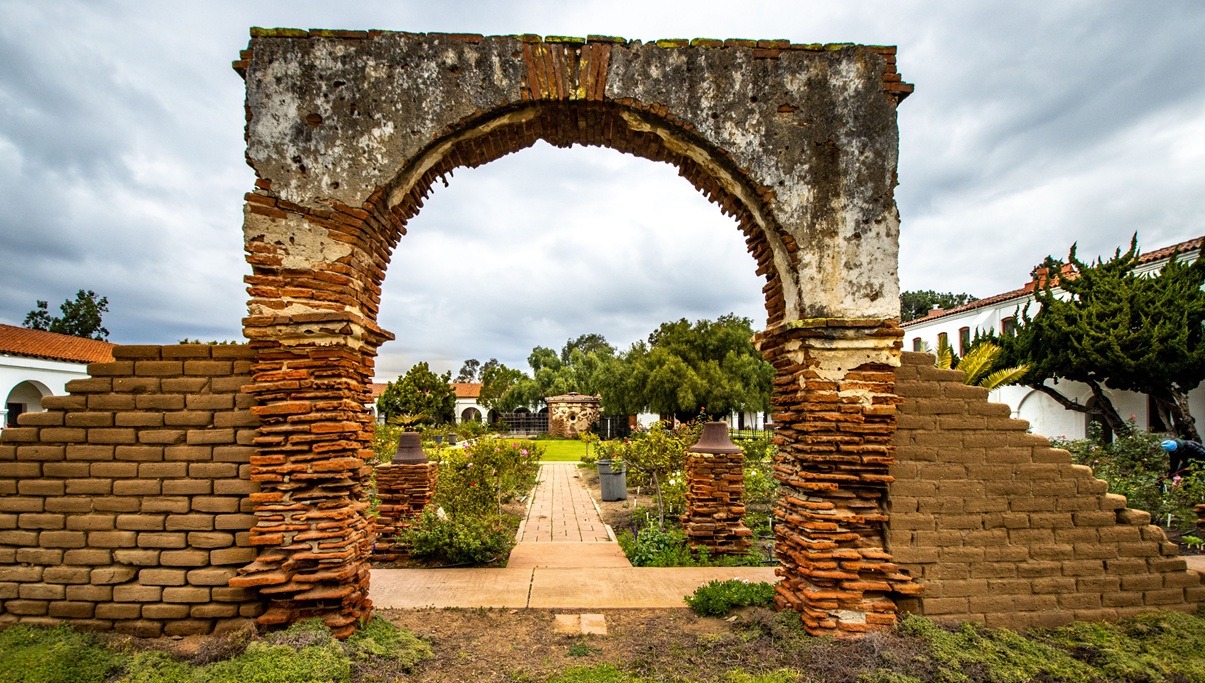
Catholic retreat centers are established facilities dedicated to hosting retreats year-round. They often include chapels, meeting rooms, dining areas and quiet outdoor spaces. Many are operated by dioceses or religious orders such as the Franciscans, Jesuits or Benedictines. One example is the Mission San Luis Rey Retreat Center in Oceanside, California, which welcomes individuals and groups for personal, guided and themed retreats throughout the year.
Monasteries and Convents
Some monasteries and convents welcome guests for private or silent retreats. These locations emphasize prayer and simplicity, offering the chance to participate in the daily rhythm of the resident community.
Parish and Diocesan Facilities
Parishes and diocesan offices frequently organize day or weekend retreats at local halls or churches. These programs focus on community formation, catechesis or preparation for sacraments such as confirmation or marriage.
Catholic Schools and Universities
High schools and universities often sponsor retreats for students and staff, combining academic and faith-based reflection. These typically last one to three days and are structured around group discussion and prayer.
Each location offers a different atmosphere, but all share the same purpose: to provide an environment where participants can focus on faith and personal renewal.
How to Choose a Catholic Retreat Center
Choosing a retreat center begins with identifying what you need from the experience. Some people are looking for quiet time and solitude, while others prefer group participation and structured sessions. Considering a few key factors can help you find a setting that fits your goals.
Purpose and Focus
Clarify what you hope to gain from the retreat - spiritual renewal, discernment, rest or learning. Knowing your purpose helps narrow the type of program and center best suited for you.
Spiritual Leadership
Look for centers that provide qualified Catholic clergy or trained lay leaders. Many retreat houses are affiliated with religious orders known for particular approaches to prayer, such as Ignatian, Franciscan or Benedictine spirituality.
Setting and Environment
Some retreatants prefer rural or coastal locations that encourage reflection in nature. Others find focus in urban centers with easy access to parish services. The environment should support prayer and quiet reflection.
Schedule and Structure
Review the daily outline provided by the retreat center. Some programs are highly structured with talks and group prayer, while others allow flexible personal time.
Facilities and Accessibility
Confirm details about lodging, meals, accessibility and chapel availability. Centers differ in how much independence guests have during their stay.
Duration and Accessibility
Most Catholic retreats range from a single day to several days, depending on the center and format. Day and weekend retreats are common for parish and diocesan programs, while longer retreats are available at dedicated centers. Many facilities provide accessible lodging, dining options and quiet spaces to accommodate different physical needs. When in doubt, it’s best to contact the center in advance to confirm available arrangements.
A well-chosen retreat center provides both comfort and the right level of guidance, helping participants engage in prayer and reflection with focus and peace.
What to Expect During a Catholic Retreat
Each Catholic retreat follows its own schedule and theme, but most include a balance of prayer, reflection, and rest. Programs may be fully guided or offer flexibility for personal time. Understanding the general structure helps participants prepare for the experience and make the most of it.
Common Elements
- Mass: Most Catholic retreats include daily Mass or at least one liturgy during the program.
- Prayer and Reflection: Participants spend time in personal prayer, scripture reading or meditation. Group prayer may include the rosary, Liturgy of the Hours or communal intercessions.
- Spiritual Talks or Presentations: Led by clergy or retreat leaders, these short sessions focus on scripture, Church teaching or themes such as forgiveness, gratitude or discernment.
- Silence and Rest: Some retreats designate quiet hours to encourage focus and deeper listening.
- Sacraments: Many retreats offer opportunities for confession and Eucharistic adoration.
- Group Interaction: In non-silent retreats, participants often share meals or discussion periods that help build understanding and support.
Who Leads Catholic Retreats
Leadership varies depending on the type of retreat and the sponsoring organization. Many are led by priests, deacons or religious sisters who provide sacramental ministry, spiritual conferences and guidance. Others are facilitated by trained lay ministers or certified spiritual directors who specialize in prayer accompaniment and reflection.
In all cases, retreat leaders work to create an atmosphere of respect and prayer, helping participants reflect on scripture and deepen their relationship with God.
Catholic Retreats at Old Mission San Luis Rey
The Mission San Luis Rey Retreat Center in Oceanside, California, continues a long Franciscan tradition of offering space for prayer, reflection and renewal. The center welcomes individuals and groups throughout the year for a variety of Catholic retreats, including personal, guided, themed and ministry gatherings.
The 56-acre property includes chapels, gardens, walking paths and meeting spaces that support both quiet reflection and group activities. Guests have access to the St. Clare Chapel, designed specifically for retreatants and are invited to attend Mass at the Historic Mission Church.
The Mission’s Franciscan hospitality emphasizes simplicity, respect and spiritual care. Staff assist guests with planning and provide information about available programs. Retreats may be scheduled directly through the center, or by calling our staff at (760)757-3659.