
Planning a Funeral with Faith and Compassion: A Step-by-Step Guide
Planning a funeral is one of the most meaningful acts of love and respect we offer at the end of life. Whether it happens after an unexpected loss or is arranged in advance, the process involves emotional, spiritual and practical decisions that can feel unfamiliar and overwhelming.
This guide is designed to help you approach funeral planning with calm, compassion and clarity. It outlines the steps involved, from immediate arrangements to longer-term decisions, while also reflecting on how faith and personal values can shape each choice.
For those looking for a peaceful and spiritually grounded burial option, Mission San Luis Rey Cemetery provides a setting rooted in Catholic tradition and Franciscan care. The cemetery supports families from Oceanside and throughout San Diego County with burial options that honor life and reflect the dignity of every person. Our cemetery is open to all people of goodwill - you do not need to be Catholic to be buried at oldest cemetery in San Diego County.
Table Of Contents:
Step 1: Begin with Personal Reflection and Family Discussion
Step 2: Choose the Type of Funeral or Memorial Service
Step 3: Understand Burial and Cremation Options
Step 4: Plan the Funeral or Memorial Details
Step 6: Consider Memorialization and Long-Term Care
Step 7: Prepare Legal Documents and Advance Planning Materials
Step 8: Support Family and Community in Grief
Faith, Space and Healing in Funeral Planning
Why Families in Oceanside and San Diego Choose Old Mission Cemetery
Step 1: Begin with Personal Reflection and Family Discussion
Before selecting funeral services or burial options, it’s helpful to begin with quiet reflection and an open conversation. Consider the wishes of the person who has died (or your own wishes, if planning in advance). Think about spiritual beliefs, family traditions, cultural customs and the values that matter most.
This stage doesn’t require a checklist - only honesty and compassion. Some questions to guide the conversation include:
- Did the person express preferences about burial, cremation or type of ceremony?
- What religious or spiritual elements should be included?
- Who needs to be involved in planning or decision-making?
- What kind of setting would feel peaceful or appropriate?
If you are planning ahead for yourself, writing these thoughts down can provide clarity and ease the burden on loved ones later. For families responding to a recent loss, taking time to pause and talk together, even briefly can prevent rushed or confusing choices.
At Old Mission San Luis Rey, families often begin the process in the spirit of quiet reflection. The setting itself encourages thoughtful decisions, with space for both private prayer and practical planning.

Step 2: Choose the Type of Funeral or Memorial Service
There are several ways to honor a loved one’s life. The decision often reflects faith, family traditions and personal preferences. At its heart, a funeral is a way to offer prayer, share memories and acknowledge loss in the presence of community.
Here are common types of services:
- Funeral Mass – A traditional Catholic liturgy with Scripture, hymns and Eucharist. Held in a church or chapel, the Mass includes prayers for the soul of the deceased and support for the grieving. Old Mission San Luis Rey offers funeral Masses in the Historic Mission Church, a sacred and historic setting.
- Graveside Service – A shorter service held at the burial site. It may include prayer, Scripture and brief remarks. Some families choose this as the primary service, especially if a full Mass is not preferred.
- Memorial Service – Similar in tone to a funeral, but without the body present. This is often chosen when cremation has taken place or if the family schedules the service after a private burial.
- Vigil or Rosary – A gathering held the evening before burial, with prayers, a Rosary and time for remembrance. It can be an important step in the grieving process and a way for the community to support the family.
Old Mission San Luis Rey supports all of these options with pastoral care and thoughtful guidance. Staff are available to help coordinate services on-site or in collaboration with local parishes or funeral homes.
Step 3: Understand Burial and Cremation Options
Choosing between burial and cremation is a deeply personal decision, often shaped by spiritual beliefs, family traditions or practical needs. At Mission San Luis Rey Cemetery, both options are offered with reverence and dignity, grounded in the Church’s teachings and Franciscan care.
Traditional Burial
Traditional full-body burial remains a meaningful choice for many families. Caskets are placed in earth plots. At Old Mission Cemetery, burial plots are available throughout our historic and contemporary grounds, with options that include shaded locations, proximity to family or sites near the Mission’s sacred spaces.
Cremation Burial
Cremated remains can also be buried in the ground. The Church permits cremation, provided it is not chosen for reasons that deny the Christian hope of resurrection. Many families find comfort in knowing their loved one’s ashes rest in consecrated ground.
Columbarium Niches
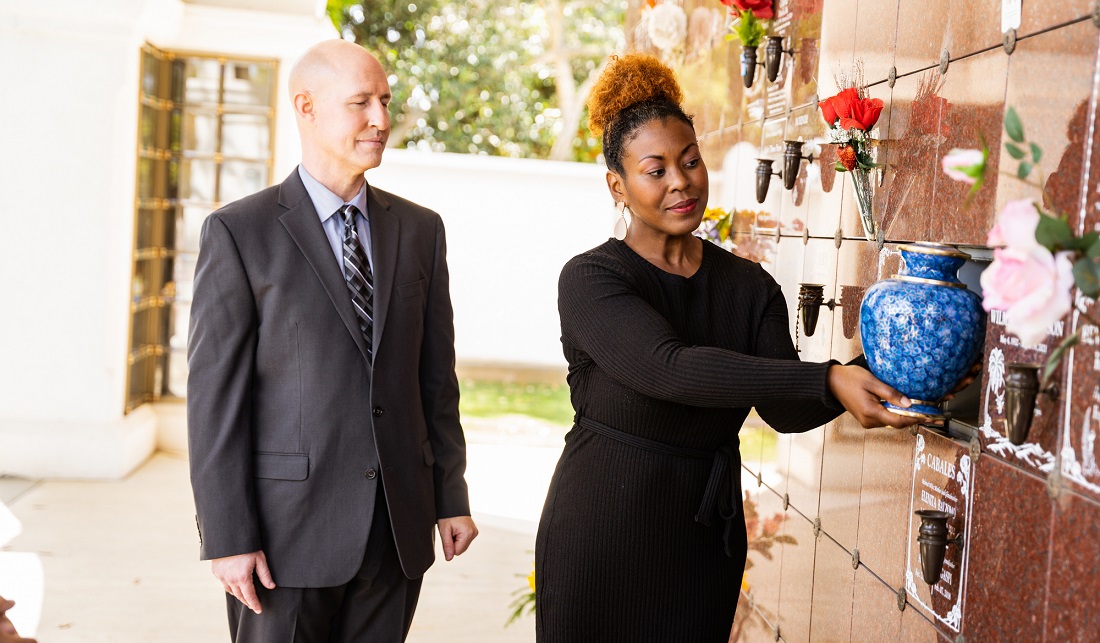
For those who choose cremation, columbarium niches offer a secure, above-ground resting place. These are beautifully integrated into the cemetery grounds, with engraved nameplates that create a lasting memorial. Some families find the setting particularly peaceful and intimate.
Finalize the Service Details
Each option - burial, cremation or niche interment honors the sacredness of life and the belief in resurrection. If you're unsure which is right for you or your loved one, Mission Cemetery staff can explain available choices and walk you through site options during a private consultation.
Flexible Payment Options
Pre-planning your funeral or burial arrangements can relieve both emotional and financial stress. Old Mission Cemetery offers flexible payment plans for those who choose to plan ahead. Staff can explain available options with care and clarity, helping you make informed decisions that fit your needs and budget.
Step 4: Plan the Funeral or Memorial Details
Once the type of service has been chosen, the next step is to consider the details. These decisions help shape the tone, structure and experience of the funeral or memorial. Some families may want a deeply traditional service; others may prefer something simple, private or informal.
Key elements to plan include:
- Location – Will the service take place in a church, chapel, graveside or other location? At Old Mission San Luis Rey, families may choose the Historic Mission Church, the cemetery grounds or coordinate with their home church.
- Date and time – Choosing a time that allows loved ones to gather is important Consult with a mortuary service before scheduling a date and time for any service
- Officiant or presider – Catholic funerals are typically celebrated by a priest. Memorial services or other gatherings may be led by a deacon, family member or spiritual leader.
- Scripture or readings – Select passages that reflect the life and values of the person being honored. Religious texts, poems or personal writings may be included.
- Music and hymns – Music is a beautiful element in any type of funeral. Sacred music is often part of Catholic funerals. Families can choose music or hymns that were meaningful to their loved one.
- Personal tributes – Eulogies or shared memories can be included, depending on the type of service. These should be discussed with the officiant beforehand.
- Flowers and décor – Some families wish to decorate the church or memorial space with floral arrangements or framed photos. Others keep things simple and reflective.
Families who work with Oceanside Mission Cemetery staff receive gentle support throughout this stage. Staff can assist with planning the order of service, coordinating with clergy and preparing the chapel or cemetery setting.
When these details are approached with care, the result is a ceremony that reflects the life of the person who has died and the values of those who mourn and remember.
Step 5: Notify Family
In moments of loss, communication becomes a vital act of care. Notifying close family and friends allows loved ones to gather, pray and begin grieving together. Create a simple list of who should be contacted first - spouse, children, siblings, close friends, clergy and consider asking someone to assist in making calls or sending messages.
This step is also an opportunity to leave behind something meaningful. Writing a letter, sharing a favorite Scripture or preparing a personal statement of faith can become a spiritual gift to those left behind. In some cases, individuals choose to write about their values, memories or hopes for future generations.
The Mission’s Spiritual Legacy Class helps individuals reflect on these themes before death. This can ease the burden on family members while preserving the voice and wisdom of the person who has passed.
Step 6: Consider Memorialization and Long-Term Care
After the funeral or memorial service, many families find comfort in creating a lasting tribute. Memorialization helps mark a sacred place of remembrance, a spot where loved ones can return, pray, reflect or simply feel close again.
At Old Mission San Luis Rey Cemetery, options for memorialization of burial space include:
- Engraved Headstones – Personalized with names, dates, Scripture, or meaningful inscriptions.
- Urn Plaques for Niches – Available with various design styles, offering respectful tribute for cremated remains.
- Family Plots and Estate Areas – Some families choose to purchase adjoining spaces for future generations, creating a shared place of memory and tradition.
Maintenance of these sacred spaces is part of the Mission’s long-standing commitment. The cemetery staff tend to the grounds year-round with care and reverence, upholding the Franciscan value of honoring life and preserving peace.
If you are pre-planning, you may want to consider your preferences for inscription and placement. If you are arranging services after a loss, the staff can guide you through options when the time feels right.
Step 7: Prepare Legal Documents and Advance Planning Materials
If you are planning for a loved one or preparing your own arrangements in advance, organizing the appropriate legal and personal documents is an essential step. Doing this in a timely and thoughtful way can reduce stress and help ensure your wishes are honored.
Here are key items to consider:
- Burial or Cremation Instructions - A written statement outlining your preference (or that of a loved one) for burial or cremation helps guide decisions later. It’s best to keep this document accessible and share it with a trusted family member or spiritual advisor.
- Will or Estate Plan - While not required for funeral planning, having a will can help families go through financial and legal matters after death. It can also include directions about funeral wishes, charitable donations or guardianship decisions.
- Next of Kin Designation - In the absence of a will, legal decisions typically fall to a spouse, child or next of kin. Clarifying this ahead of time, through your will or advanced medical directive, especially in blended or extended families can help avoid confusion, and sometimes conflict. In the absence of these documents the state you live in will dictate the next of kin.
- Funeral Pre-Planning Forms - Many choose to document their preferences using a funeral planning template. These forms can include personal information for the death certificate, preferred readings or music and instructions for obituary notices. You can download free funeral pre-planning guide to begin recording your choices. This resource includes a fillable funeral planning checklist and template for your convenience.
- Payment or Funding Arrangements - Pre-paying for burial space or making financial arrangements in advance can help relieve future burdens. Mission Cemetery offers information on advance planning and staff consultations to support these decisions.
By organizing these documents early and keeping copies in a safe but accessible location, families can focus on remembering and honoring their loved one, rather than sorting through logistics under stress.
Step 8: Support Family and Community in Grief
While funeral planning focuses on logistics and honoring the deceased, it’s also essential to support those left behind. Grief affects each person differently and creating space for mourning is part of the spiritual and emotional process.
Here are meaningful ways to care for family and community during this time:
- Allow Space for Grief - Give people time to process the loss. This may mean setting aside time for quiet, encouraging prayer or simply offering a listening ear.
- Offer Opportunities for Shared Remembrance - Gatherings before or after the funeral, such as a reception, Rosary, meal or storytelling allow people to share memories and offer mutual support.
- Connect with a Spiritual Leader - For many families, meeting with a priest, deacon or grief counselor offers comfort. Mission San Luis Rey can help arrange spiritual guidance for those who request it.
- Follow Up After the Funeral - Grief does not end with the funeral. A call, visit, or shared meal in the weeks that follow can offer deep consolation and strengthen bonds of community.
At Mission San Luis Rey, care for families continues even after the funeral. Staff remain available to help with questions about the cemetery, ongoing spiritual support or ways to honor a loved one’s legacy.
Faith, Space and Healing in Funeral Planning
Funeral planning is way more than a checklist of tasks; it is a spiritual and emotional journey at the same time. The setting, the rituals and the people who accompany you during this time all shape how grief is processed and how healing begins. For many, choosing a place grounded in tradition and spiritual care offers comfort that extends far beyond the day of the service.
Sacred spaces such as chapels, gardens and prayer paths invite stillness and reflection, and help mourners find peace during sorrow. The presence of spiritual tradition, Catholic or otherwise, can provide a framework for honoring life and confronting loss with hope.
Ultimately, funeral planning becomes an expression of love and values. With careful attention, a meaningful farewell can uphold the dignity of the person who has passed and support the emotional and spiritual needs of those left behind.
Why Families in Oceanside and San Diego Choose Old Mission Cemetery
For many families, selecting a final resting place involves more than location. It reflects a desire for trust, meaning and reverence. Old Mission San Luis Rey Cemetery is known for its peaceful setting, compassionate staff, and deep spiritual roots. Burial options include traditional plots, cremation graves, and columbarium niches.
Families appreciate having access to the Historic Mission Church for Catholic funeral Masses, as well as the serenity of the surrounding gardens and historic setting. Each step of the process is supported by a compassionate team who understands that burial is both a farewell and a sacred act of love. That spirit of service is what continues to draw generations of families from Oceanside and the greater San Diego area.
Frequently Asked Questions
Start with a calm conversation. Talk about spiritual values, burial preferences, and any wishes already expressed. You can also use the Mission’s free funeral pre-planning guide to help organize your thoughts and include loved ones in the process.
Yes. Many people choose to plan in advance to ease future burdens on their families. Pre-arrangements include selecting a burial type, site and service preferences. Staff are available to meet with you confidentially. For more info please call (760) 757-3651, ext. 133.